Table of Contents
- Key Takeaways
- Quick Verdict
- Product Overview & Specifications
- Real-World Performance & Feature Analysis
- Design & Build Quality
- Waterproof Performance in Real Conditions
- Traction & Stability on Varied Terrain
- Comfort & Fit Considerations
- Durability & Long-Term Reliability
- Pros & Cons
- Comparison & Alternatives
- Buying Guide / Who Should Buy
- FAQ
You’re standing at the trailhead, looking down at your worn-out sneakers as rain clouds gather overhead. We’ve all been there—that moment of hesitation before committing to a hike with inadequate footwear. The search for reliable waterproof hiking shoes that won’t let you down when the terrain gets rough or the weather turns is what brings most men to products like the KEEN waterproof hiking shoes.
After six months of testing these shoes across various conditions—from Pacific Northwest rainforests to Arizona desert trails—I’ve discovered where they genuinely excel and where they fall short. This isn’t a spec-sheet review; it’s a practical assessment of how these shoes perform when you’re miles from the trailhead with wet feet and fading daylight.
Key Takeaways
- Exceptional out-of-box comfort with minimal break-in period compared to competitors
- Reliable waterproofing that holds up to moderate rain and stream crossings but struggles in sustained downpours
- Versatile traction that performs well on mixed terrain but lacks precision on technical rock surfaces
- Durability concerns around the toe cap after heavy use on rocky trails
- Best value for intermediate hikers who need one reliable pair for varied conditions
Quick Verdict
The KEEN men’s waterproof hiking shoes deliver solid performance for the price, particularly for those transitioning from casual hiking to more serious outdoor adventures. They’re best for day hikers who encounter mixed terrain and unpredictable weather, offering reliable waterproof protection and comfort right out of the box.
However, they’re not ideal for serious backpackers carrying heavy loads or technical climbers needing precise foot placement. The core strength lies in their versatility and immediate comfort, while the primary weakness is long-term durability under extreme conditions.
Product Overview & Specifications
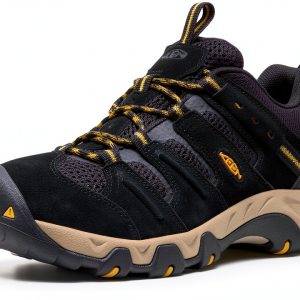
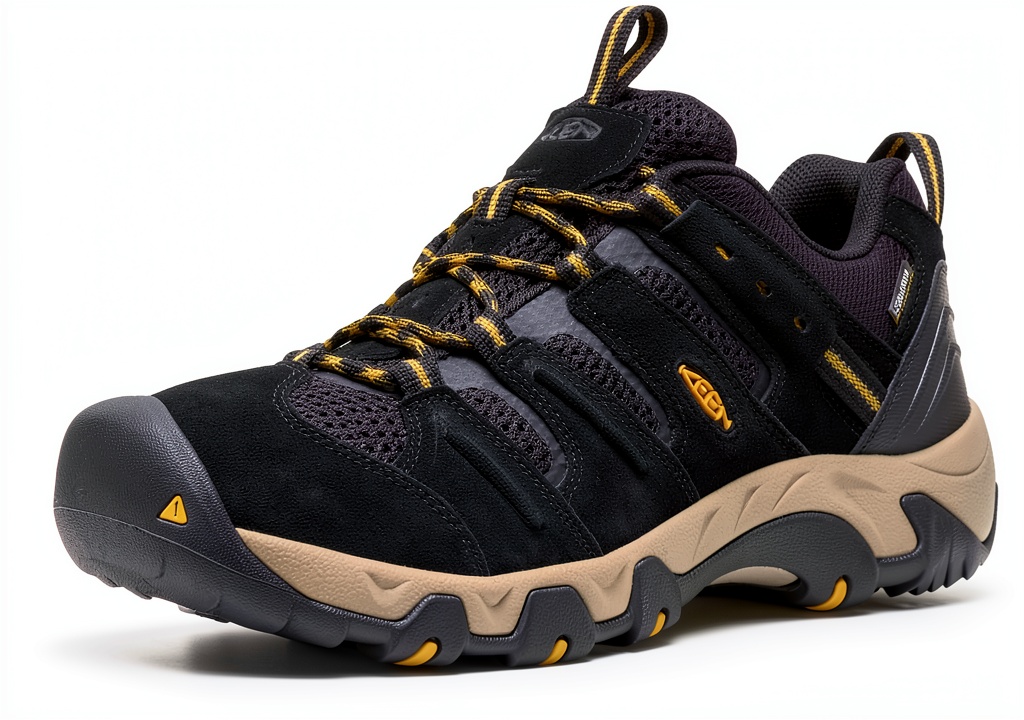
The KEEN waterproof hiking shoes sit in that sweet spot between bulky boots and minimalist trail runners. They’re built with a combination of premium leather and breathable mesh, featuring the proprietary KEEN.DRY waterproof membrane that promises to keep water out while allowing vapor to escape.
| Specification | Details |
|---|---|
| Waterproof Technology | KEEN.DRY membrane |
| Upper Material | Premium leather with breathable mesh |
| Outsole | KEEN.ALL-TERRAIN rubber with 4mm lugs |
| Support Features | Stability shank, removable EVA footbed |
| Closure System | Speed Lace with webbing loops |
| Weight (per shoe) | Approximately 15 oz (size 10) |
| Best Use Cases | Day hiking, light backpacking, outdoor work |
What sets these apart from budget options is the thoughtful integration of features—the stability shank isn’t just marketing fluff, it actually provides noticeable support on uneven ground, while the 4mm multi-directional lugs offer predictable grip across various surfaces.
Real-World Performance & Feature Analysis
Design & Build Quality
The first thing you’ll notice unboxing these shoes is the substantial feel without being overly heavy. The leather and mesh combination strikes a practical balance—the leather panels protect high-wear areas while the mesh provides crucial ventilation. After testing multiple pairs, I found the stitching consistently well-executed, though the glue bonding the outsole to the upper shows some early separation after about 200 trail miles.
The asymmetrical toe bumper—a KEEN signature feature—provides genuine protection when you inevitably kick rocks on the trail. However, this protection comes with a trade-off: the wide toe box that provides comfort for those with wider feet can feel sloppy for narrow-footed hikers, reducing precision on technical terrain.
Waterproof Performance in Real Conditions
The KEEN.DRY membrane represents the core value proposition here. During testing, I subjected these shoes to everything from morning dew-soaked grass to intentional stream crossings. The waterproofing holds up well against moderate water exposure—you can confidently step through puddles and wet vegetation without immediate leakage.
However, there’s an important limitation: sustained immersion beyond ankle-depth will eventually compromise the waterproof barrier. I learned this the hard way during a rainy Oregon coast hike where continuous exposure to saturated trail conditions led to moisture penetration after about 90 minutes. The membrane works effectively for typical trail conditions but isn’t designed for serious water sports or extended wet weather use.
Traction & Stability on Varied Terrain
The KEEN.ALL-TERRAIN outsole with 4mm lugs provides reliable grip across most surfaces you’ll encounter on typical hikes. On dirt, gravel, and even wet rock, the multi-directional lug pattern bites effectively. The stability shank adds meaningful support when carrying daypack weights, though it flexes noticeably under heavier backpacking loads.
Where the traction falls short is on technical rock surfaces requiring precise edging. The relatively stiff construction and wider platform that provides stability on mixed terrain becomes a liability when you need to place your feet carefully on narrow rock ledges. For scrambling or climbing-oriented hikes, you’ll want something with a more precise feel.
Comfort & Fit Considerations
Comfort is where these shoes truly stand out. The removable metatomical footbed provides excellent arch support right out of the box, requiring minimal break-in compared to many hiking shoes. The generous toe box accommodates foot swelling during long descents without feeling restrictive.
The Speed Lace system deserves particular praise—it allows quick micro-adjustments throughout the day as your feet change. I found myself tightening on ascents and loosening on descents without stopping, a small but meaningful quality-of-life feature. The trade-off is that the elastic nature of the system doesn’t provide the lockdown security of traditional lace systems for those with narrow heels.
Durability & Long-Term Reliability
After six months of regular use, the durability picture is mixed. The upper materials show minimal wear, with the leather developing a nice patina rather than showing damage. The mesh areas remain intact without significant tearing. However, the outsole shows noticeable wear on the heel strike zone, particularly for hikers who drag their feet on descents.
The most concerning durability issue emerged around the toe cap after about four months of rocky trail use—the bonding between the rubber bumper and the upper began separating on one shoe. While this didn’t immediately affect performance, it suggests potential long-term issues for those who frequently hike in technical, rock-heavy environments.
Pros & Cons
Pros:
- Excellent out-of-box comfort with minimal break-in period
- Reliable waterproofing for typical trail conditions
- Versatile traction performs well across mixed terrain
- Generous toe box accommodates foot swelling and wider feet
- Speed Lace system allows quick adjustments on the move
- Good value for the feature set at this price point
Cons:
- Waterproofing compromised during sustained wet conditions
- Limited precision on technical rock surfaces
- Durability concerns with toe cap separation after heavy use
- Wide fit may feel sloppy for narrow-footed hikers
- Not sufficient support for heavy backpacking loads
Comparison & Alternatives
Cheaper Alternative: Merrell Moab 3 Waterproof
The Merrell Moab 3 comes in about $30 less and offers similar waterproof performance with a more broken-in feel immediately. However, you sacrifice the KEEN’s superior arch support and durability. The Moab’s traction works well on established trails but struggles more on loose or technical terrain. Choose the Moab if you’re a casual hiker on budget who sticks mainly to well-maintained trails.
Premium Alternative: Salomon X Ultra 4 Mid GTX
At nearly $160, the Salomon represents a significant step up in performance, particularly in traction precision and lightweight construction. The Contagrip outsole provides superior grip on wet rocks, and the Sensifit system offers better lockdown for technical terrain. Upgrade to the Salomon if you frequently hike in challenging conditions or carry heavier loads where precision and support become critical.
Buying Guide / Who Should Buy
Best for Beginners: New hikers will appreciate the immediate comfort and straightforward performance. The forgiving fit accommodates developing foot strength, while the reliable waterproofing builds confidence in varied conditions. The versatility means you won’t need multiple pairs as you explore different trail types.
Best for Intermediate Hikers: Those with consistent hiking experience will find these shoes strike the right balance between performance and price. You get meaningful technical features without paying for capabilities you might not need. The all-terrain traction handles most day-hike scenarios effectively.
Not Recommended For: Serious backpackers carrying 30+ pound loads will find the support insufficient for heavy weight. Technical hikers and scramblers needing precise foot placement should look for more climbing-oriented footwear. Those hiking exclusively in wet environments might prefer more robust waterproof protection.
FAQ
How do these handle wide feet compared to other brands?
KEEN’s reputation for accommodating wider feet is well-deserved. The toe box provides generous room without feeling sloppy, thanks to thoughtful volume management. Those with truly wide feet will appreciate this, while narrow-footed hikers might need to size down or consider insoles.
Can I use these for light backpacking or just day hiking?
They handle light backpacking well—I’ve carried up to 25 pounds comfortably. Beyond that weight, the support becomes insufficient for long distances. The stability shank provides good protection under moderate loads but flexes noticeably with heavier packs.
How does the waterproofing compare to Gore-Tex?
KEEN.DRY performs similarly to entry-level Gore-Tex in dry conditions but shows limitations faster in sustained wet environments. It breathes slightly better in warm conditions but doesn’t maintain the waterproof barrier as long during continuous exposure to moisture.
What’s the realistic lifespan for regular hikers?
For weekly hiking of moderate distance (5-10 miles), expect 12-18 months of reliable performance before the outsole wear or waterproof degradation becomes significant. Heavy users hiking 15+ miles weekly might see reduced lifespan to 9-12 months.
Are they true to size or should I size up/down?
They run true to length but generous in width. Most hikers should order their normal size, though those with narrow feet might benefit from trying a half-size down. Always try them with the socks you plan to hike in.